Sera Young: 2026 Guggenheim Fellow
April 29, 2026

The John Simon Guggenheim Memorial Foundation named IPR anthropologist Sera Young as one of its 223 fellows for 2026.
Rethinking Researchers’ Role in the Newsroom
April 21, 2026

Medill and IPR experts made the case for deeper collaboration between researchers and journalists.
Charles F. Manski: Recognized for His Pioneering Work in ‘Deep Uncertainty’
April 29, 2026

The BBVA Foundation awarded Charles F. Manski its Frontiers of Knowledge Award in Economics, Finance, and Management.
A Detox for Social Media: Redesigning and ‘Diversifying’ Feeds
May 28, 2026

A new study published in the journal Nature suggests a relatively simple fix to detoxify social media feeds.
Research Excellence. Policy Impact.
Rigorous, interdisciplinary social science research for the common good
Policymakers
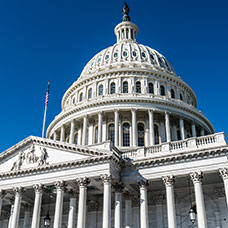
We connect policymakers with nonpartisan research relevant to policy debates in city halls and state houses, as well as the halls of Congress and of international organizations.
Browse our trending research or contact us if you need help finding an expert or research on a specific topic.

The Media
IPR faculty researchers are leaders in their respective fields and stand ready to share their expertise. If you are interested in interviewing an IPR faculty member or covering their research, use the resources below or contact us. We're here to help you get the story.

Scholars
Here at IPR, we support a vibrant and diverse scholarly community, where robust debate and discussion are encouraged. If you would like to learn more about IPR research in your area of interest or join our events, browse the resources below.
Students
We seek to educate and enable next-generation scholars and policy specialists through cross-disciplinary teaching and training. Find opportunities or get involved by using the resources below.Resources
- Student Resources: Learn more about opportunities for students and postdocs.
- Events: Join us for events that debate policy and methodological topics.
- Faculty Experts: Find out more about IPR faculty and their policy-relevant research.
- Research Topics: Dive into IPR research that addresses key social issues.
Explore Policy Research
Connecting our rigorous research on vital policy issues with policymakers, journalists, researchers, students, and the world

About the Institute
We are a diverse research community of scholars, students, and staff, representing over 20 fields including economics, education, health, sociology, and anthropology.

Areas We Study
Our interdisciplinary research is focused on six core areas, ranging from poverty, race, and inequality to methodology and social disparities and health.

Our Publications
Our faculty researchers publish their findings in top peer-reviewed journals and produce working papers, reports, books, and policy briefs.
Join the Policy Discussion
Get involved in policy research discussions by following @IPRatNU on social media or attending one of our events.
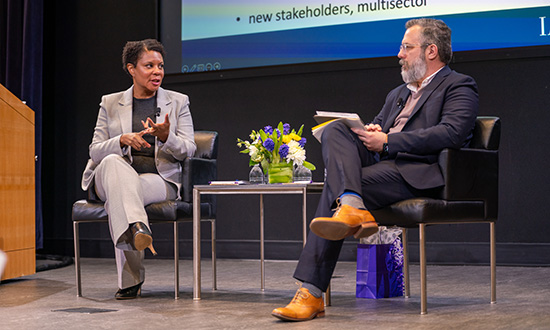
Each academic year, we organize more than 40 policy-relevant events. See our upcoming events and join our community for robust debate and discussion.